Low Ride Car Culture

Ravish Kumar
| 29-06-2026
 · Vehicle Team
Lykkers, have you ever seen a vehicle that appears to sit extremely close to the ground, moving smoothly with distinctive wheels and a strong visual presence?
This is the essence of low ride car culture in vehicle customization. It goes beyond appearance—it is a form of creative expression that transforms standard vehicles into unique, personalized designs.
Across different countries, this style is appreciated for its strong sense of individuality and artistic direction. Each customized vehicle reflects the owner’s design vision, turning everyday transportation into a form of moving artwork. However, alongside its visual appeal, there are also important practical considerations.
How This Global Trend Began
The low ride style originated within automotive communities in the United States several decades ago. Enthusiasts sought to move away from standard factory designs by modifying suspension systems to lower vehicle height, creating a distinct visual identity.
Over time, the concept spread internationally through car gatherings, media exposure, and online automotive communities. Different regions adapted the style in unique ways, ranging from minimal, refined designs to bold and expressive customization approaches.
Today, low ride culture is recognized globally as a shared form of automotive expression that connects enthusiasts through creativity and design innovation.
Design That Defines Identity
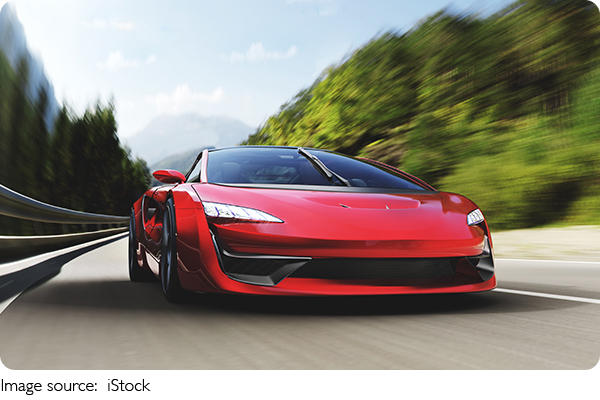
A defining feature of low ride vehicles is their lowered stance, which creates a sleek and visually striking profile. Even when stationary, these vehicles often convey a sense of motion and presence.
Wheel design is another essential element. Larger rims with polished finishes or detailed styling often serve as focal points, enhancing the overall aesthetic balance of the vehicle.
Additional body modifications, such as refined bumpers or extended side elements, are sometimes used to create smoother visual flow. Together, these design choices form a cohesive and expressive visual identity.
Practical Challenges in Everyday Use
Despite their strong visual appeal, low ride vehicles may face challenges in daily driving environments.
Road conditions such as uneven surfaces, bumps, or obstacles can be more impactful due to reduced ground clearance. This increases the likelihood of contact with the underside of the vehicle.
Over time, such conditions may contribute to wear on protective components and increase maintenance requirements. As a result, careful driving and planning are often necessary for regular use.
Comfort and Driving Experience
Lowered suspension systems are often stiffer than standard setups to achieve the desired stance. While this improves stability on smooth roads, it may reduce comfort on uneven surfaces.
Passengers may experience more noticeable road vibrations during longer journeys. Steering response and handling characteristics can also vary depending on the quality of the modification and tuning precision.
For this reason, professional installation and proper adjustment are important to maintain balanced driving performance.
Lighting and Visibility Factors
Lower vehicle height can also affect lighting angles and road visibility. If headlights are not correctly adjusted after modification, nighttime visibility may be reduced.
Proper calibration is essential to ensure safe driving conditions. In addition, a lower seating position may slightly alter driver perception of road elevation and distance, especially in unfamiliar areas.
Regulations and Compliance
Vehicle modification standards vary by region. Many areas have regulations in place to ensure that modified vehicles remain safe for public roads.
Changes to suspension height or structural components may require inspection or approval. In some cases, non-compliance may require adjustments to restore legal standards.
Because of this, enthusiasts typically consider regulations before making modifications to ensure safety and compliance.
Style and Practicality in Balance
Lykkers, Low ride car culture represents the intersection of creativity and engineering. It allows individuals to express personal style through automotive design while also requiring attention to practical limitations such as safety, comfort, and maintenance.
This balance between appearance and functionality is what makes the style both distinctive and widely appreciated.