Why Kids Need Nature Time

Arvind Singh
| 17-03-2026
 · Lifestyle Team
On a bright morning, a child runs across a grassy field, stopping to watch insects moving through the leaves.
Moments like this may appear simple, yet they play a powerful role in a child's development. Modern research consistently shows that time spent in natural environments supports children's physical health, emotional balance, and learning abilities.
While modern life often keeps young people indoors, nature offers experiences that cannot easily be replicated in classrooms or on screens. Exploring a park, walking along a forest trail, or simply playing under trees can have meaningful effects on how children grow and understand the world around them.
Nature Supports Physical Health
Outdoor environments naturally encourage movement. When children spend time in nature, they are more likely to run, climb, jump, and explore. These activities help strengthen muscles, improve coordination, and support overall physical fitness.
“The benefits of outdoor play for young children are immense, impacting their physical, emotional, social, and cognitive development.” — Thrive Childcare.
Research also shows that spending time in green spaces promotes healthier lifestyles. Children who regularly play outdoors often engage in higher levels of physical activity compared with those who remain indoors for long periods.
Natural settings can also reduce exposure to environmental stressors such as noise and heat while providing cleaner air and open space for exercise. These conditions contribute to healthier daily routines and better long-term well-being.
Sunlight exposure during outdoor play supports vitamin D production, which helps maintain strong bones and overall health.
Emotional and Mental Benefits
Nature has a calming effect on the human mind, and children experience this benefit as well. Time spent outdoors can reduce stress and improve emotional balance.
Studies indicate that children who regularly interact with natural environments tend to report more positive moods and stronger emotional resilience.
Green spaces can also provide a peaceful environment where children feel relaxed and safe. The sights and sounds of nature—such as birds, trees, and flowing water—can help lower stress levels and restore attention.
Contact with nature has been associated with reduced symptoms of anxiety and improved mental well-being among children.
Nature Encourages Curiosity and Learning
Natural environments act as open-air classrooms where children learn through observation and exploration. Instead of receiving information passively, children discover patterns, textures, and living systems through direct experience.
For example, observing insects, plants, or changing seasons introduces basic scientific ideas in a natural way. Curiosity grows when children ask questions such as why leaves change color or how birds build nests.
Researchers have also found that outdoor environments can help restore attention and improve concentration. After spending time outside, children often return to learning tasks with stronger focus and improved behavior.
Because nature stimulates multiple senses at once, it creates rich learning opportunities that support creativity and problem-solving skills.
How Nature Strengthens Social Skills
Outdoor play often involves cooperation and shared exploration. When children build a small shelter from branches or search for interesting rocks together, they practice communication and teamwork.
Natural environments encourage imaginative group activities that strengthen social connections. Unlike structured indoor activities, outdoor play often allows children to create their own games and rules.
These shared experiences help develop important social abilities such as negotiation, collaboration, and empathy. Over time, such interactions build stronger friendships and communication skills.
Simple Ways Children Can Experience Nature
Children do not need a remote wilderness to benefit from nature. Even small green spaces can provide meaningful experiences.
1. Visit local parks regularly
Short visits to nearby parks allow children to explore plants, trees, and open space.
2. Take nature walks
Walking through natural areas encourages observation of animals, leaves, and seasonal changes.
3. Create outdoor play routines
Scheduling daily outdoor time helps make nature a normal part of life.
4. Encourage curiosity
Asking children to observe shapes, colors, and sounds in nature stimulates learning.
5. Garden together
Planting flowers or vegetables teaches patience and responsibility.
6. Explore different seasons
Each season offers new discoveries such as blooming plants, falling leaves, or migrating birds.
7. Combine learning with exploration
Nature activities can inspire drawing, storytelling, or simple science observations.
These activities demonstrate that connecting with nature can be simple and accessible.
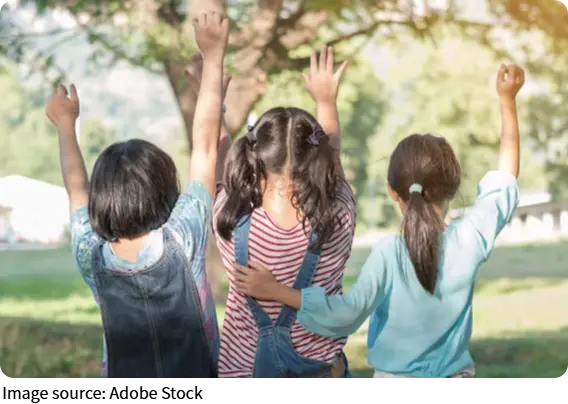
A Childhood Connected to Nature
Nature provides more than scenery—it offers a foundation for healthy childhood development. Outdoor experiences encourage physical activity, emotional stability, curiosity, and social interaction.
In a world filled with digital distractions, these natural moments are increasingly valuable. Watching clouds move across the sky, listening to birds, or exploring a quiet trail may seem ordinary, yet such experiences help children develop a deeper understanding of their surroundings.
Ultimately, time in nature teaches children an important lesson: the world beyond walls is full of discovery. When young people learn to appreciate and explore the natural environment, they gain not only knowledge but also a lasting sense of wonder and connection to the planet they call home.