Penguin Relationships
Pardeep Singh
| 17-03-2026
 · Animal Team
If you've ever seen penguins waddling around on a snowy beach or huddling together in large colonies, you might have assumed they're the poster animals for monogamy. After all, many penguin species are often portrayed as devoted mates, staying loyal to one partner for life.
But dig a little deeper, and you'll find that their love lives are far more complicated—and much less "perfect" than the media makes it seem.
Here's the thing: while penguins do form strong bonds, their relationships are filled with twists, turns, and plenty of surprises. From stone-gifting rituals to the realities of parenting, their behavior reveals that even in the animal kingdom, love can be messy.
1. The Stone Gift: A Penguin's Unconventional Proposal
One of the most iconic penguin behaviors is their stone gift-giving ritual. Male penguins, particularly in species like the Adélie and Gentoo, will present a carefully chosen rock to a female they fancy. This gesture is often seen as a sign of devotion and a way to win the female's affection. But before you think of it as some sweet, romantic offering, consider this: the stone isn't just a token of love—it's part of the penguin's strategy for securing a mate.
Penguins build nests out of these stones, and the male's success depends on how well he can gather enough of them. The more stones, the better the nest, which increases his chances of attracting a mate. However, there's a twist—females can be pretty picky, and sometimes they'll reject a male not because he didn't try hard enough, but because his nest isn't up to their standards. So, while it might seem like a sweet courtship ritual, it's really just part of the penguin's survival strategy.
2. Monogamy? Sort of… But Not Always
The whole "penguins mate for life" idea is often taken at face value, but the truth is more nuanced. Some penguin species, like the Emperor penguin, do form long-term bonds with their partners. However, even in these species, there's a lot of flexibility. Penguins will often separate during the breeding season, only to come back together when it's time to raise offspring. And if one mate doesn't return—whether due to environmental stress or something else—the surviving partner may quickly find a new mate.
In fact, studies have shown that penguin partnerships aren't as rock-solid as they seem. While they may spend months together, their relationship is often more about timing and necessity than deep emotional connection. A lot of the bond is built on shared goals—raising chicks and ensuring survival—rather than the kind of long-term loyalty we imagine.
3. Penguin Parenting: A 50/50 Split—Or Is It?
When it comes to raising their young, penguin parents generally work together, but that doesn't mean they're always equally involved. In some species, the roles of the male and female can differ significantly. For example, with Emperor penguins, it's the male who carries the egg on his feet for two months while the female goes off to feed. After hatching, both parents take turns feeding the chick, but the male often plays a bigger role in the initial stages.
This division of labor is essential for survival, but it can also be a bit harsh. While the male is left to endure the freezing temperatures with the egg, the female is out at sea, possibly encountering dangers of her own. The uneven nature of their involvement can also lead to situations where one parent has to do more than the other depending on environmental conditions or personal circumstances.
4. Penguins and Their "Other" Lovers
Though the idea of penguins being the ultimate monogamous species is romantic, it's not always the case. Some penguins will even "cheat" on their mates. For example, female penguins have been observed sneaking off to mate with males who aren't their primary partner, often when the male is busy protecting the nest. Researchers have found that this extra-pair mating could be a strategy to increase genetic diversity or provide better resources for their chicks.
This isn't just about betrayal—it's part of the complex puzzle of survival in harsh environments. For penguins, securing the best genetic material and ensuring their chicks have the best chance of surviving is sometimes worth a little extra relationship flexibility.
5. Climate Change: Throwing a Wrench in Penguin Relationships
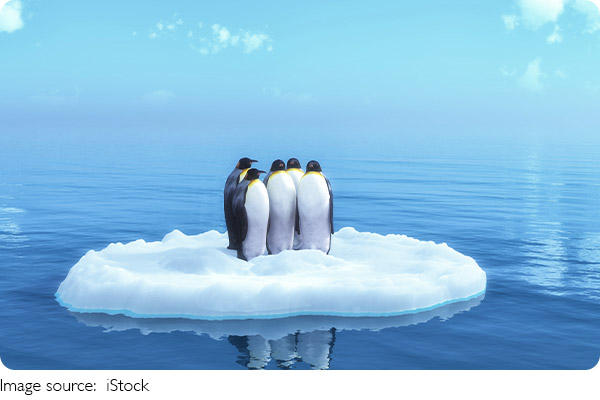
As if penguin relationships weren't complicated enough, climate change is putting added pressure on these animals. Rising temperatures, changing ice patterns, and unpredictable food sources are disrupting penguin colonies around the world. For instance, with warmer temperatures, ice melts earlier than usual, forcing penguin chicks to fend for themselves before they are fully prepared. This has led to an increase in mortality rates for younger penguins, further stressing the parents.
This environmental pressure means penguins are not just fighting for survival on their own but also navigating the impact on their family structure. For some species, the harsh realities of climate change have caused them to abandon traditional breeding sites or alter their mating habits. It's not just about finding a mate anymore—it's about figuring out how to raise healthy chicks in an increasingly unpredictable world.
In the end, penguins aren't quite the flawless symbols of monogamy we might think. Their relationships are far more pragmatic and adaptable, driven by the need to survive rather than pure emotional bonding. And yet, there's something oddly beautiful in how they balance love, survival, and sacrifice. Maybe that's a lesson we can all take to heart: love is messy, complex, and often unpredictable—but it's worth the effort.