Flower Pollination
Ethan Sullivan
| 17-03-2026
 · Animal Team
Walk through a wild meadow on a sunny morning, and you might notice tiny, buzzing visitors hopping from bloom to bloom. While it seems like simple chance, native flowers have evolved sophisticated strategies to ensure their pollen gets carried to the right place.
Understanding these strategies reveals nature's quiet ingenuity and helps gardeners, conservationists, and enthusiasts support thriving local ecosystems.
Color and Shape: Nature's Signals
Flowers don't just look pretty—they advertise themselves to pollinators through color and shape.
Key points:
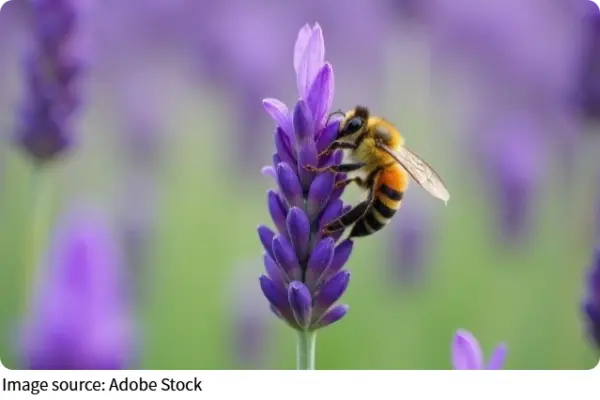
1. Brightly colored petals attract bees, butterflies, and birds. For example, yellow and blue flowers are particularly visible to bees.
2. Tubular shapes often indicate nectar deep inside, favoring long-tongued pollinators like hummingbirds or certain moths.
3. Some flowers use contrasting patterns called nectar guides to direct pollinators straight to the pollen source.
Actionable tip: Plant native flowers with diverse colors and shapes to attract a variety of pollinators. Sunflowers, coneflowers, and milkweed are excellent choices for a backyard garden.
Scent and Timing: Invisible Invitations
Many flowers rely on scent and timing rather than just visual cues to attract pollinators.
Details:
1. Night-blooming flowers like evening primrose emit strong scents to attract moths and bats after sunset.
2. Daytime flowers often produce subtle fragrances that peak when pollinators are most active.
3. Timing of flower opening can synchronize with pollinator feeding schedules to maximize successful pollination.
Practical example: Plant a mix of day-blooming and night-blooming native flowers to maintain a continuous pollinator presence in your garden.
Nectar and Pollen Rewards
Offering rewards is a classic strategy. Flowers provide nectar and pollen to encourage visits while ensuring pollen transfer.
How it works:
1. Nectar serves as a high-energy food source for bees, butterflies, and hummingbirds.
2. Pollen provides protein essential for many insect larvae.
3. Some flowers produce excess nectar to compete with neighbors and attract more frequent visits.
Actionable tip: Observe which flowers pollinators prefer and note their visit frequency. This helps identify which native species are most effective at supporting local pollinator populations.
Specialized Pollination Methods
Not all flowers rely on generalists; some have evolved precise partnerships with specific pollinators.
Examples:
1. Certain orchids mimic female insects to lure male pollinators, ensuring precise pollen transfer.
2. Yucca plants rely exclusively on yucca moths, which collect and deposit pollen while laying eggs in the flower.
3. Specialized bee species may be the only effective pollinators for some tubular or uniquely shaped native flowers.
Tip: Encourage specialized pollinators by providing habitat, like bare soil for ground-nesting bees or native shrubs for shelter.
Practical Gardening Applications
Understanding these pollination strategies helps create thriving gardens that support local biodiversity.
Quick tips:
1. Use a variety of native species to cover different bloom times, shapes, and colors.
2. Avoid pesticides that harm pollinators or disrupt flower-pollinator interactions.
3. Include water sources and shelter to attract and retain pollinators in your garden.
Native flowers are not passive ornaments—they are active participants in a complex ecological dialogue. By learning how they attract and reward pollinators, we can foster gardens that support biodiversity, sustain pollinator populations, and create a richer connection with the natural world. Watching these interactions up close reveals the delicate balance and remarkable strategies that flowers use to thrive in their environment.